
Context
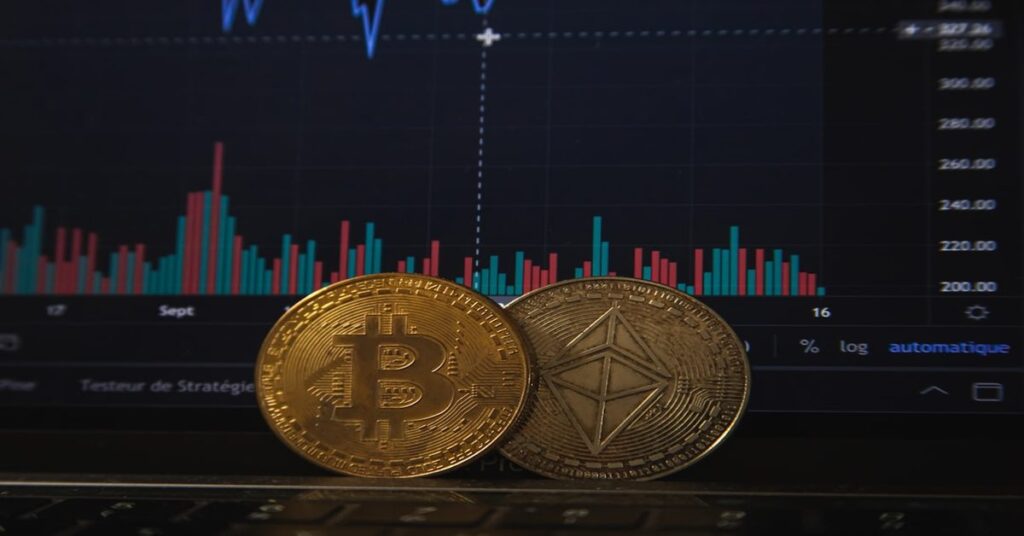
A significant structural shift is underway in global financial markets as traditional institutions accelerate their entry into digital assets. Banks, brokerages, and exchanges worldwide are no longer asking whether to offer crypto products, but how quickly they can deploy them. This momentum suggests we’re witnessing a fundamental realignment of financial infrastructure that Gulf investors have been anticipating for years.
Main Story
David Ripley, co-CEO of Kraken, recently told Axios that “nearly all traditional financial services companies are gonna offer crypto, bitcoin, ethereum to their customers” in 2026. His assessment reflects industry consensus that institutional skepticism toward digital assets has finally collapsed. Demand from retail investors, institutions, and wealthy clients has reached a tipping point that traditional finance can no longer ignore.
Several mega-trends are converging to accelerate this transformation. Stablecoins, tokenization, artificial intelligence, and extended-hours trading are reshaping how global financial markets operate. This emerging ecosystem is becoming more digital, more global, and increasingly functional 24/7, which aligns perfectly with how Gulf capital markets have been evolving.
Tokenization of traditional assets represents the next frontier. Ripley highlighted that tokenized public equities will be “the next most significant place where we see tokenized equity or tokenized assets.” Kraken itself is pioneering this space by offering tokenized IPO shares to retail investors, democratizing access to major wealth-creating companies historically reserved for sophisticated investors.
Bitcoin’s price action reflects this institutional appetite despite recent volatility. According to Coinbase’s institutional strategy head John D’Agostino, sovereign wealth funds, family offices, and large investors are actively buying the dip rather than retreating. Abu Dhabi’s Mubadala increased its exposure to BlackRock’s Bitcoin ETF for a fourth consecutive quarter, demonstrating commitment from Gulf’s most prominent institutional players.
What This Means for UAE and Gulf Investors
Gulf investors will notice something critical here: the institutions driving this adoption are the same ones managing sovereign wealth and family office capital across the Middle East. When Abu Dhabi’s Mubadala increases Bitcoin ETF holdings quarterly, it signals institutional comfort with digital asset allocation at scale. This pattern indicates that UAE and Gulf-based investment committees are moving beyond pilot programs into substantive portfolio positioning.
Bitcoin ETFs globally still hold roughly $100 billion despite recent market pressure, and this figure understates actual institutional exposure through private vehicles and direct holdings. For Gulf investors, this suggests the infrastructure for regulated crypto participation is finally reaching maturity. UAE regulators have been preparing the regulatory framework, and traditional financial institutions are now moving aggressively to meet demand from their high net worth clients across the Emirates and broader Gulf region.
Regulatory certainty appears to be improving. Extended-hours trading at Nasdaq, aligning with crypto markets that operate continuously, suggests legacy financial infrastructure is adapting to digital asset timelines. For Gulf-based institutions accustomed to managing assets across multiple time zones, this convergence creates operational efficiencies previously unavailable.
What Investors Should Watch Next
Monitor how UAE and Saudi Arabia’s regulatory bodies respond to traditional finance’s crypto expansion. Saudi Arabia’s Public Investment Fund and other regional actors will likely accelerate tokenization initiatives as global precedent solidifies. Watch whether Emirati family offices increase direct bitcoin and ethereum holdings as institutional confidence in long-term value proposition strengthens. Bitcoin’s ability to stabilize above $60,000 remains important, but Gulf investors should focus on the structural trend rather than near-term price volatility. Your institutional peers are positioning for digital asset integration as fundamental financial infrastructure, not speculative positioning.
Disclaimer: This article is for informational purposes only and does not constitute
financial or investment advice. Cryptocurrency investments carry significant risk.
Always conduct your own research before making any investment decisions.